Gianfrancesco Straparola
The Pleasant nights
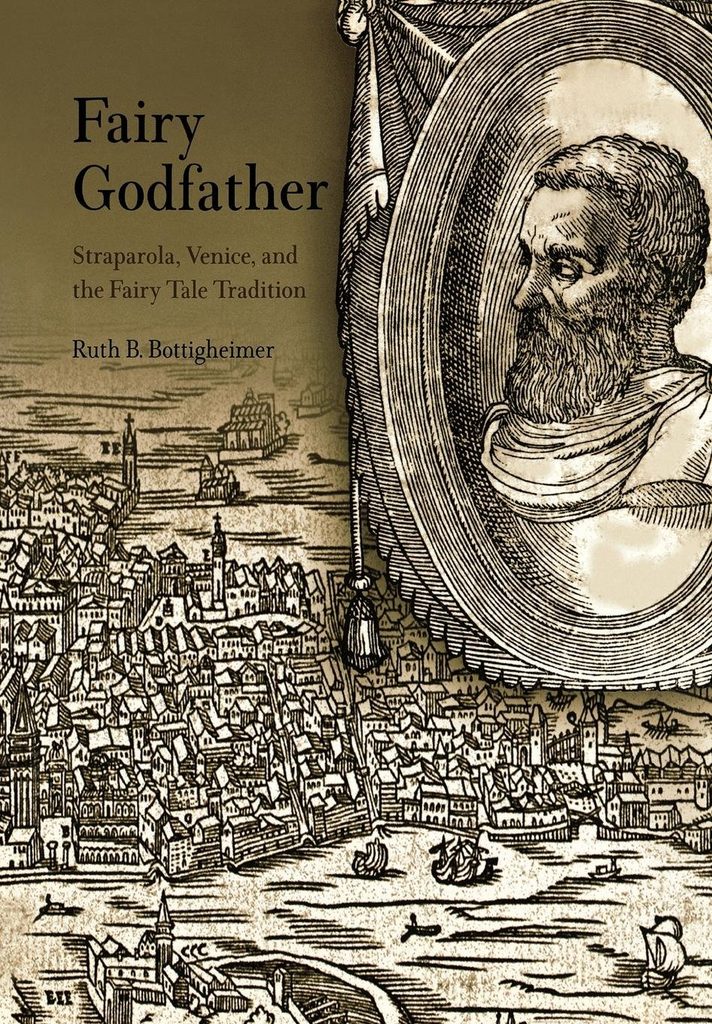
Venetian by birth, Giovan Francesco Straparola, or Gianfrancesco Straparola, is the author of one of the oldest surviving collections of fairy tales. Its original title was Le piacevolli notte , and it was published in 1551 (vol.1) and 1553 (vol.2), in Venice. The stories are written in a vernacular that a present-day Italian would hardly understand, in the Venetian dialect.
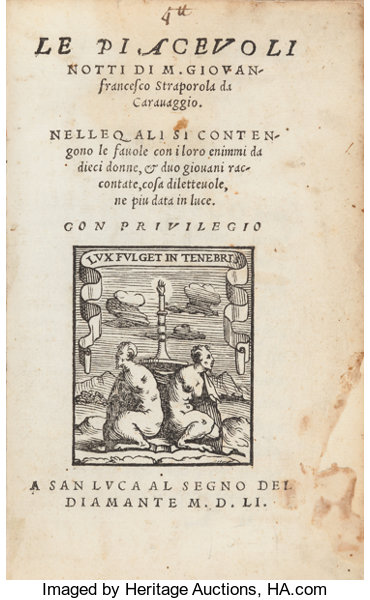
which was translated as either The Facetious nights* or The pleasant nights:
*/ How to pronounce Facetious?
Check this:
Seminar: read two stories
Everybody should read the story of…
Besides this, please read one or two stories form any of the volumes.
Volume 1. You may download The Pleasant Nights vol 1 and read it on Readest (see: what is Readest?) on your laptop, tablet or phone. OR you may read it directly on this page.
(Note that underlining and annotations only work on Readist, not on this page!)
Questions to answer in class
A1. This book is not divided in the traditional way, into chapters, but into…? What is the explanation for that? Who are the storytellers? What is their social condition? How did they come around to be together? What are the circumstances of their encounter?
A2. Give a summary of one of the stories you have read. Just the summary, not any comment.
A3. Now take your time to read your classmates’ summaries, click like for those you like, and then answer this question: Which fairy tale(s) does this story resemble? Does anything sound / feel different? (Remember: these are very old fairy tales, collected 3 centuries before Perrault’s and the Grimms’.)
A4. Now return to your original post and respond the people who posted. (are they right or no?) Add more details about the presentation of the hero or heroine (are they ideal types? are they ”flawed”? are they noble/poor?).
A5. Original posters, now comment on the style of the tale! (Is it folksy? sophisticated? ironic? bombastic? lyrical? learned? ) Which type of public do you think Basile had in mind, in terms of class (noble/commoner), gender (female/male), and education (learned/illiterate).
Proceed at next topic (opens at 18:00): Early Italian – B. Gianbatista Basile – Il Pentamerone