Gianbatista Basile – Il Pentamerone
Giovanni Battista Basile (1566-1632)
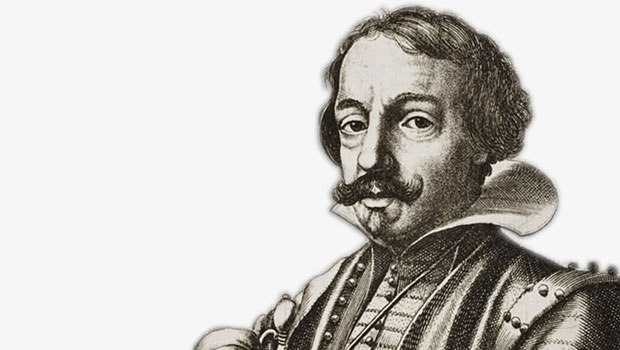
A short evocation of Basile:
Lo cunto de li cunti / The Tale of Tales / Il Pentamerone
Published between 1634-6,…
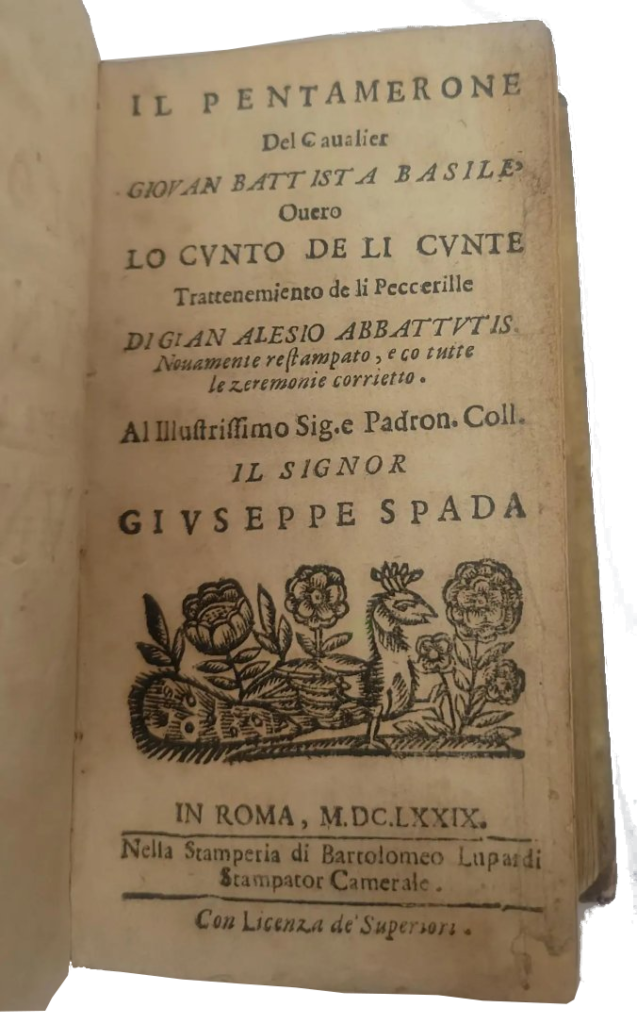
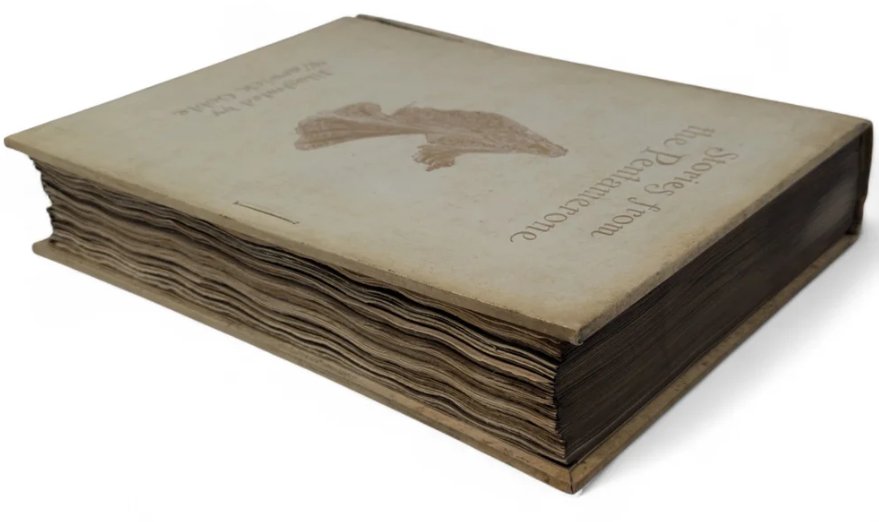
…is a collection of fairy tales in Neapoletan dialect (which is very different from Italian…). It was a small-size bookelet:
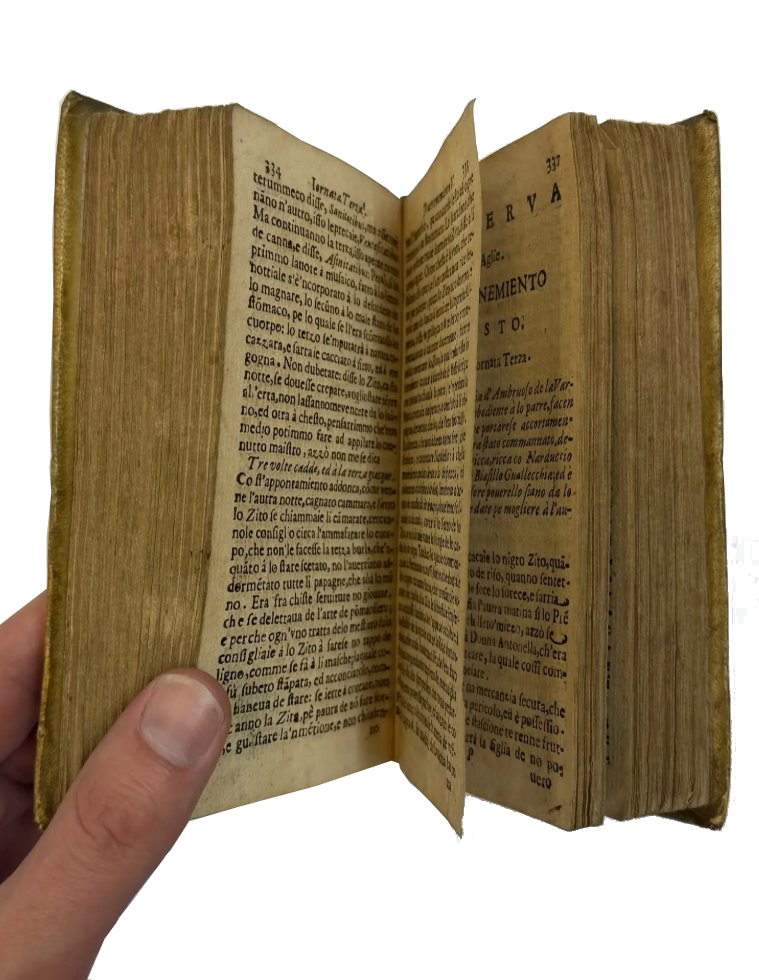
…with decorative chapter pages:
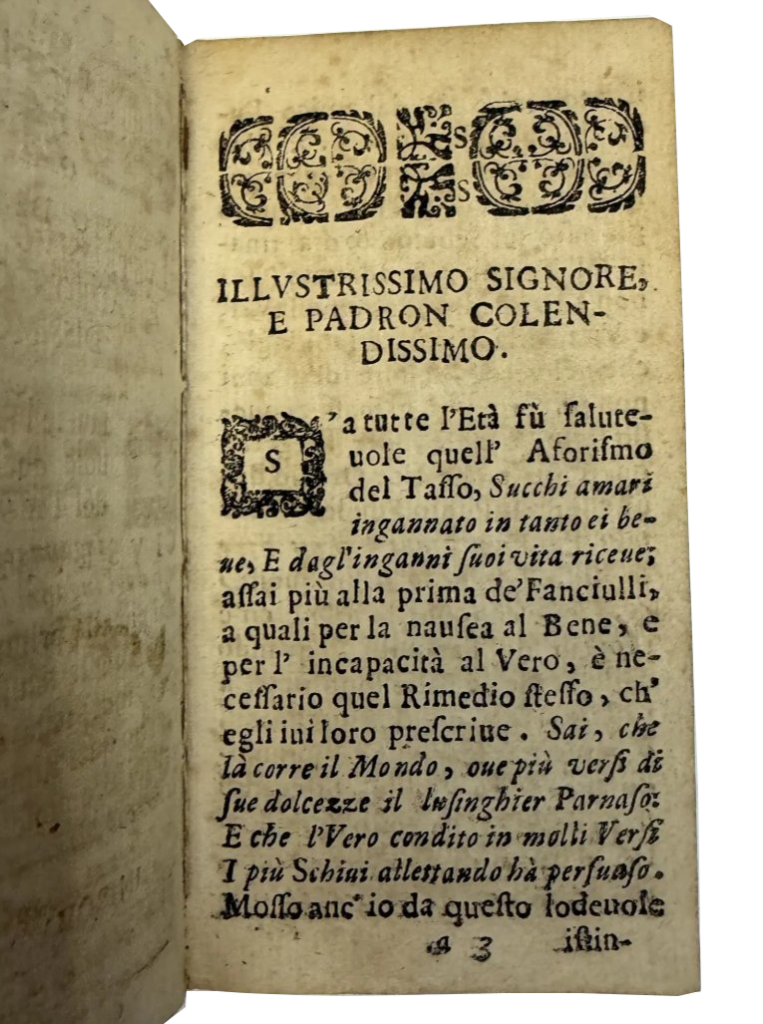
Source © Second Story Books
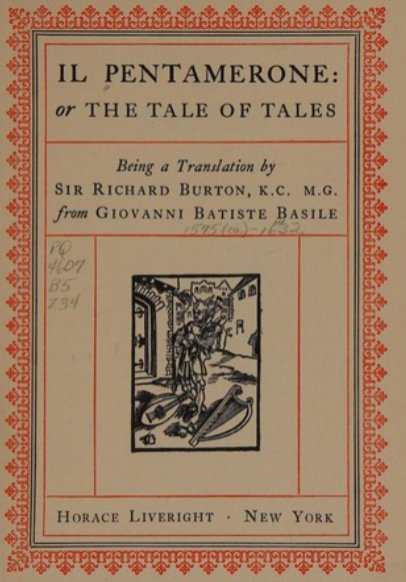
The book was translated into English by John Edward Taylor in 1847 and again by Sir Richard Francis Burton in 1893. This one is the American edition from 1927.
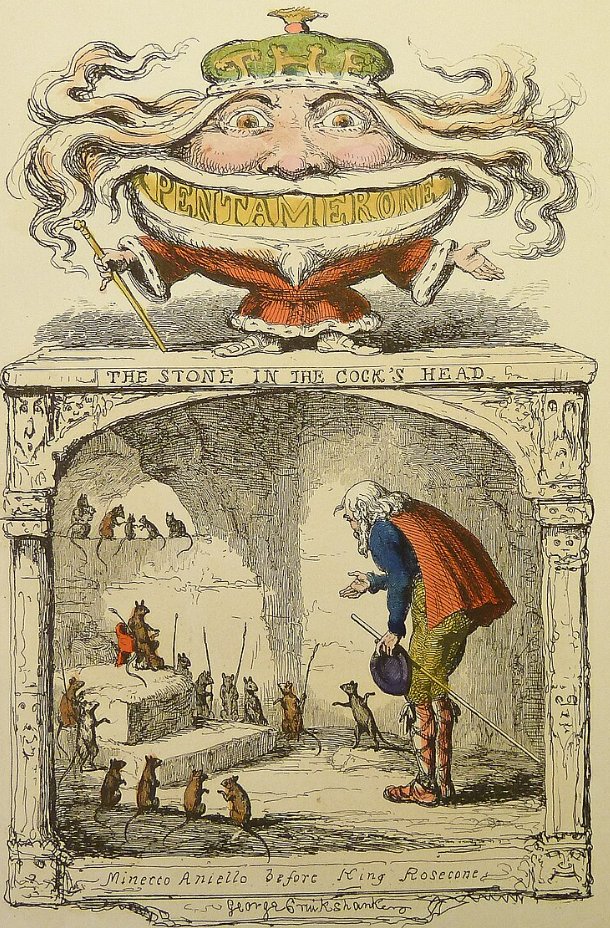
One edition had fine illustrations by caricaturist and fairy tale author George Cruikshank, like this one for ”The Stone in Cock’s Head”:
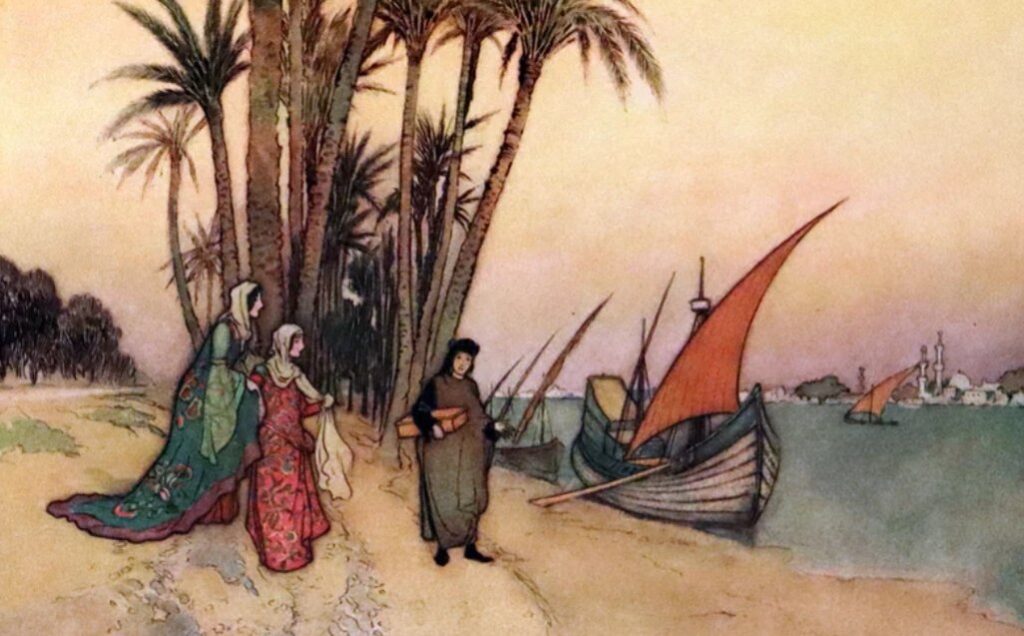
In 1911 we have a splendid edition by E. F. Strange, beautifully illustrated by Warwick Goble. Click on the thumbnails below the see the full images (reproduced from © Sancho’s Rare Books):
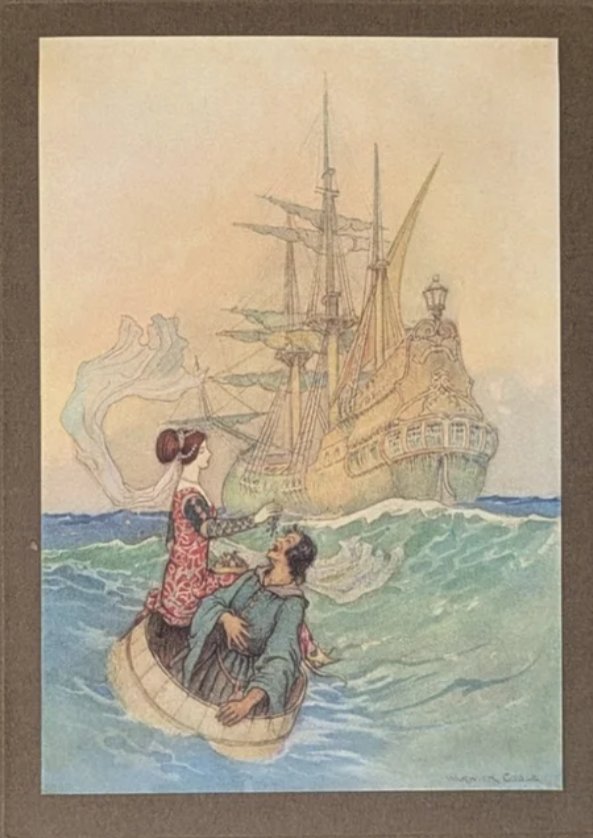
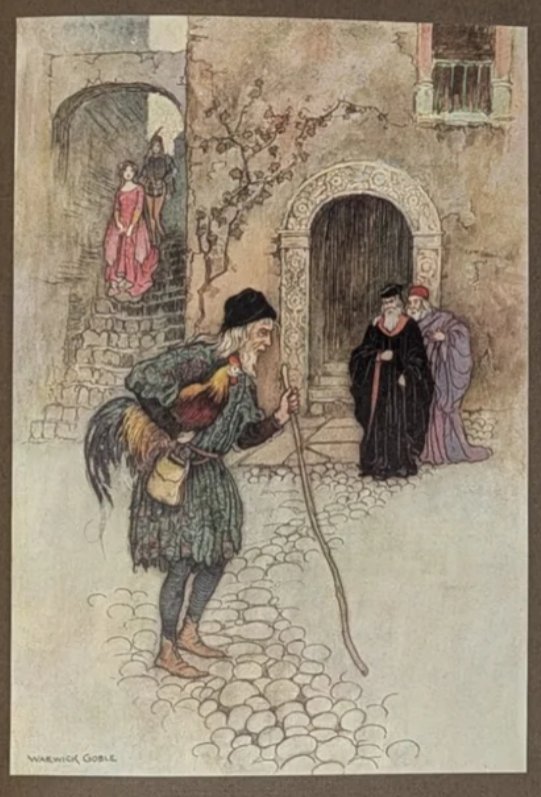
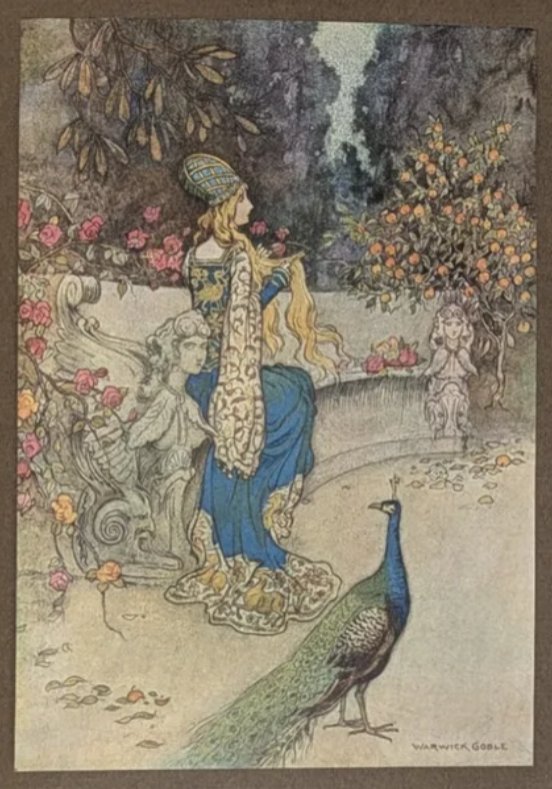
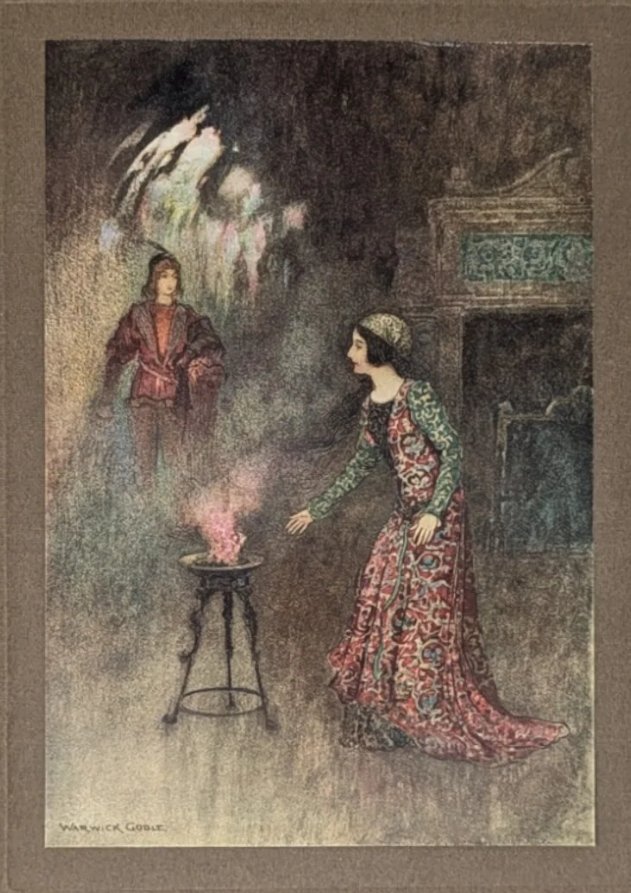
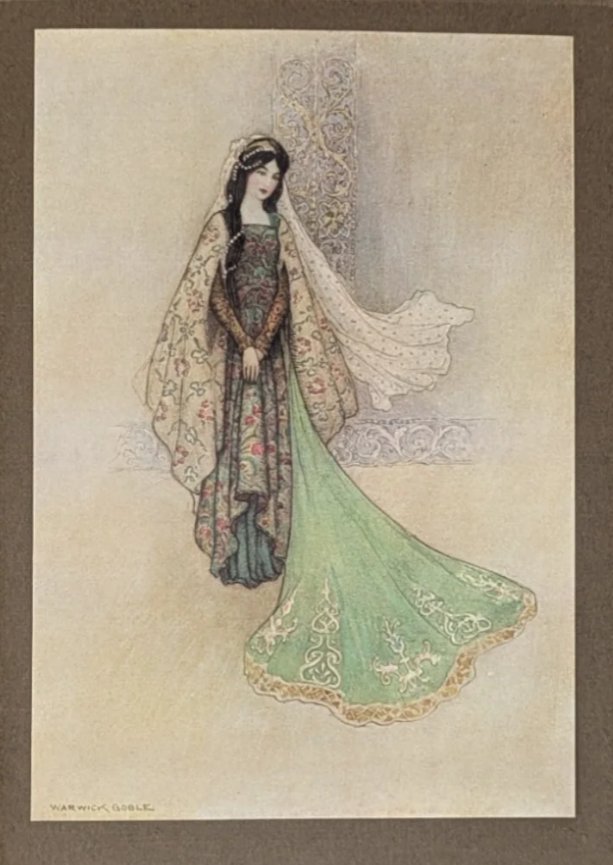

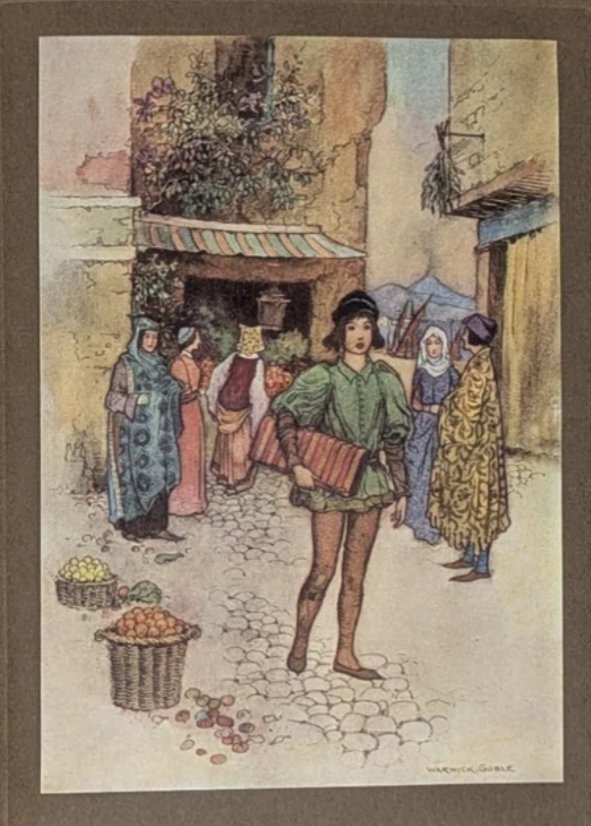
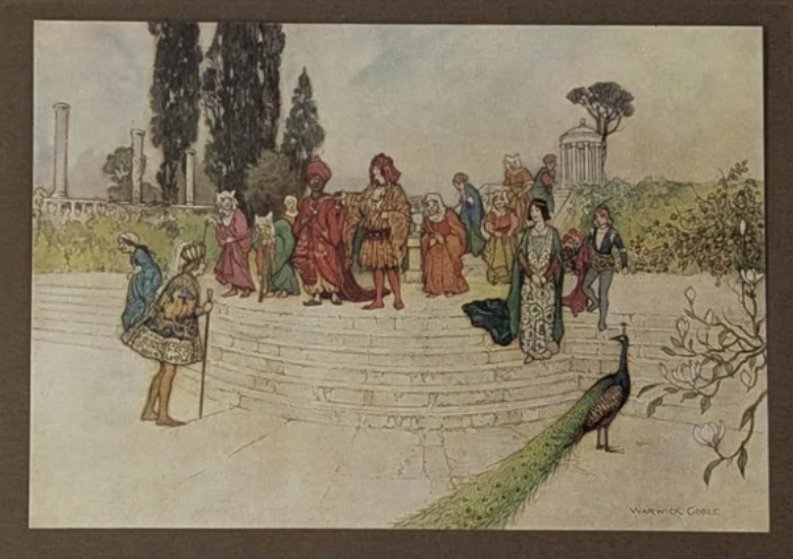
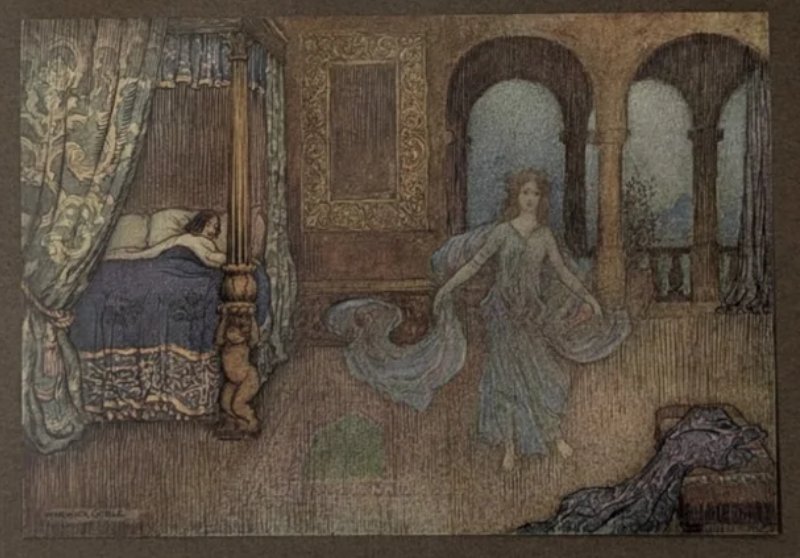
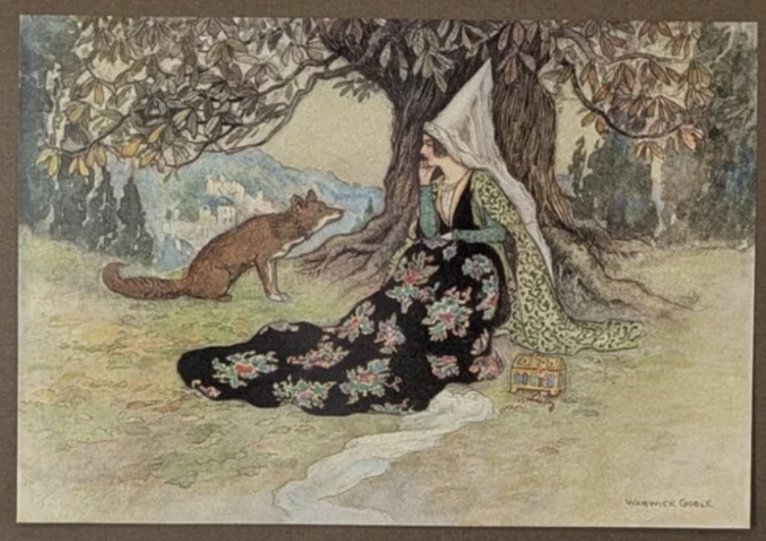
You may also check more illustrations on the antiquarian website MFLIBRA. Click on the next image to get to see more high quality illustrations
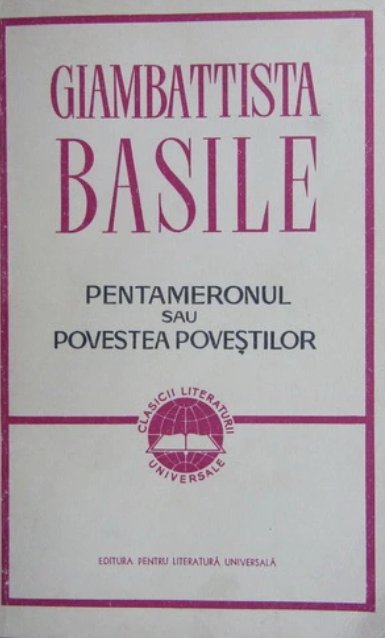
We have a Romanian edition, published in 1968:
Its form is that of a frame story., in which a larger story, that of Princess Zoza and her troubles, becomes the frame that brings together a series of narratives, told by different people, during a number of nights, and following a certain storytelling protocol.
Seminar: Basile’s The Tale of Tales
Read two stories from Basile’s collection. One should be Cagliuso, the other a story of your choice.
You may download Il Pentamerone or The Tale of Tales aread it on Readest (see: What is Readest?) on your laptop, tablet or phone. OR you may read it directly on this page. You will be able to highlight or underline passages of your liking, and add your comments.
Or you may read it directly on this page (without the possibility of underlining & annotation):
Questions
B1. Have you read any part of the outer frame narrative? (It is indeed a fairly long one, and it spans across the whole book, so it is very likely you might have read just a small part of it…) If so, what does it seem to be about? Do you think this outside fictional frame exists only as a pretext to justify why the other stories have been assembled together? Or do you feel this other frame is a narrative in itself, with its own plot, characters and evolution? Is this situation similar to anything you have read?
B2. Give a summary of one of the stories you have read. Just the summary, not any comment.
B3. After you have heard your classmates’ summaries, choose one you like, and then answer this question: Which fairy tale(s) does this story resemble? Does anything sound / feel different? (Remember: these are very old fairy tales, collected 2 centuries before Perrault’s and the Grimms’.)
B4. Now return to your original tale and respond the people who asked questions (are they right or no?) Add more details about the presentation of the hero or heroine (are they ideal types? are they ”flawed”? are they noble/poor?).
B5. Now comment on the style of the tale! (Is it folksy? sophisticated? ironic? bombastic? lyrical? learned?) Which type of public do you think Basile had in mind, in terms of class (noble/commoner), gender (female/male), and education (learned/illiterate).
Booktok & blogs
As an optional critical reading here’s well written article (full of delicious or disgusting details) by Derek Turner: Outré Europe – review of Basile’s Tale of Tales.