Prices of those spices, then and now
Here’s a bit of extra info you are invited post, just in order to make us realize how precious some of those colonial merchandise was.
Give the price it had at a particular historical moment (in the 16-18 centuries), transformed into lei per kilogram.
Use the following tools:
1. Source. Some historical prices can be picked up from this Spices and their Costs in Medieval Europe, (University of Toronto) – at the very beginning of the age of exploration;’ go to the bottom of this long file! You will have to dig more on the interenet to find data about other spices in the later centuries.
2. Updating the price to today’s price (in GBP*).
Historical Currency converter. Very nice tool. You introduce the year, the price and then you will have it converted into today’s money, also with an equivalent of things you could buy at the time (horses, cows, wages).
3. Changing price-per-pound to price-per-kilograms.
As most weights will be given in pounds or ounces, you will have to convert this to kilograms. To convert the cost of an item priced per pound to cost per kg, just multiply the price per pound by 2.2046, because one kg of the item will have 2.2046 lbs of the same item. Or just use this Pound to Kg converter, and write there the price in points instead of the weight.
4. Changing GBP* to RON
And lastly, to change those prices in pounds (GBP) into prices in lei (RON), just use any currency converter like XE Currency converter.
*GBP = Great Britain Pound
In the end you will have something like:
CLOVES (cuișoare)
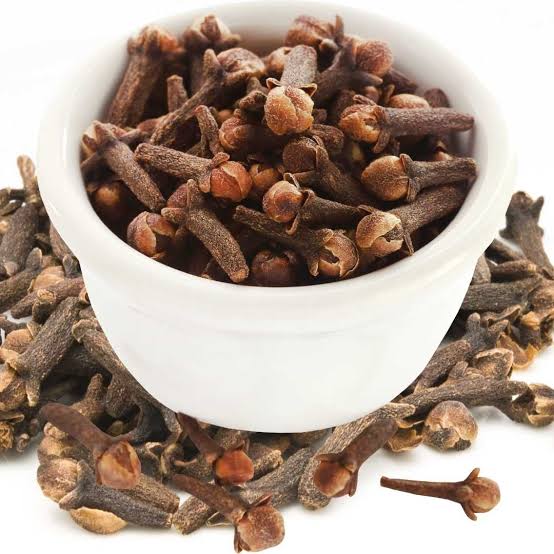
1 Historical price (year 1438) from here: 35,55 GBP/pound
2. In today’s money (GBP) 1440→2017; £22,505.33 £/lb
3. Changing weight unit price: 49511 £/kg
4. Changing to RON: 295 092 RON/kg
So 1 kg of Cloves cost in 1440 the equivalent of todays 295 thousand RON
With that money you could buy a brand new:

or, if you prefer an EV, a